Turkic states explore ID-card travel, but no launch date is set
Published · Updated
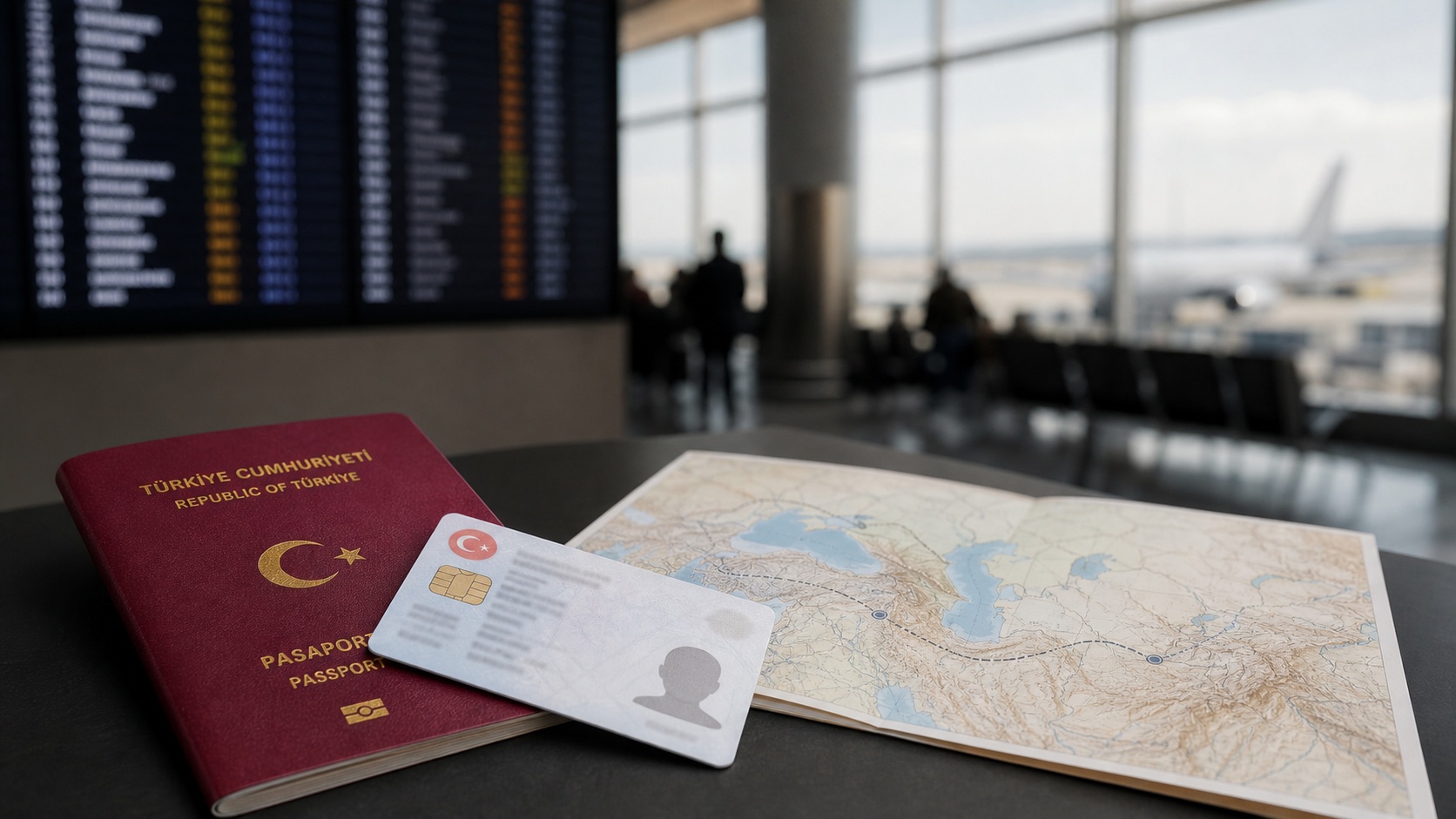
Citizens of Türkiye could eventually travel to four other Turkic states with a national identity card instead of a passport. That is the aim of the Turkic ID project now being discussed within the Organization of Turkic States (OTS).
The useful word is eventually. No bloc-wide agreement has been signed, no start date has been announced and travellers should not change their plans yet.
OTS Secretary-General Kubanychbek Omuraliyev described the project publicly on 15 May 2026. In comments reported by Interfax-Kazakhstan, he said the organization was working on a system that would allow citizens to use national ID cards for certain border procedures. The OTS had already introduced the idea in its January-June 2025 magazine, saying the proposal would need support from member states.
That record matters because recent coverage has sometimes made the initiative sound like a new travel right. It is not one. At this stage, Turkic ID is a policy project awaiting national agreements and operating rules.
Which countries would be involved?
The OTS has five full members: Türkiye, Azerbaijan, Kazakhstan, Kyrgyzstan and Uzbekistan. The Turkish Ministry of Foreign Affairs lists Hungary, Turkmenistan and the Turkish Republic of Northern Cyprus as observers.
Public descriptions of Turkic ID refer to travel among member states. They do not establish that observer countries would participate. Each government would also have to decide which identity cards qualify, how border systems verify them and whether the arrangement applies only to direct journeys.
Those details will decide how useful the scheme is in practice. A Turkish citizen travelling directly from Türkiye to Azerbaijan may use a new-generation identity card today. The same traveller continuing through a third country may still need a passport.
The model already works on two routes
Turkic ID would not begin from zero. Two bilateral arrangements show how a wider system could operate:
- Türkiye and Azerbaijan have accepted qualifying identity cards for direct travel since 1 April 2021. The Turkish foreign ministry confirms that Turkish citizens can stay in Azerbaijan visa-free for up to 90 days, subject to local registration rules for longer visits.
- Uzbekistan and Kyrgyzstan began accepting each other’s ID cards for entry, exit, transit and stays on 1 September 2023, following a bilateral protocol reported by Daryo.
These are separate legal arrangements, not a single OTS travel area. A common framework would have to connect such agreements without weakening document checks at five different borders.
The distinction between passport-free and visa-free also matters. An identity card can replace the document presented at the border, but it does not automatically create an unlimited right to remain, work or settle. Length-of-stay rules, registration duties and entry conditions would continue to come from national law unless governments agree otherwise.
What would change for Turkish passport holders?
For Turkish citizens, the immediate gain would be convenience rather than a dramatic expansion of global mobility. Azerbaijan, Kazakhstan, Kyrgyzstan and Uzbekistan already admit ordinary Turkish passport holders without a visa for short visits. Turkic ID could remove the need to carry a passport on those journeys and make frequent regional travel easier for families and business owners.
It would not alter access to the Schengen Area, the United Kingdom, the United States or Canada. It should therefore be treated as a regional travel improvement, not a change in the Turkish passport’s wider international position. Our country-by-country visa guide tracks the rules that apply now, while the 2026 passport ranking explains the limits of headline destination counts.
The project could still have practical weight. The five member states stretch from the Bosphorus to Central Asia, and the OTS is already working on transport and customs coordination along the Middle Corridor. Easier passenger movement would fit that direction, particularly for direct flights and repeat cross-border trips.
Three questions remain unanswered
Before travellers can rely on the proposal, governments need to publish the legal text and answer three basic questions.
First, will every current national ID card be accepted, or only biometric cards that meet a shared technical standard? Second, will travel have to be direct, as it is under the Türkiye-Azerbaijan arrangement? Third, will all five members enter at once, or will the system expand through separate bilateral protocols?
There are also operational questions about lost cards, children travelling with parents, airline boarding checks and the treatment of dual nationals. None has been settled publicly.
Until a signed agreement and effective date appear in official government notices, Turkish travellers should carry the document required under each country’s current rules. Anyone considering Turkish citizenship by investment should make the same distinction: Turkic ID may become a useful regional benefit, but it is not a benefit available today and should not be priced into an investment decision.
We will update this report when the OTS or a member government publishes an implementation timetable.
A separate September proposal concerns dedicated airport passport-control lanes for Turkish citizens and other Turkic member-state nationals. That initiative addresses border processing; it does not itself replace a passport with an identity card.
Apply now
Affected by this update? Tell us about your case.
Name, email, phone. We come back within one working day with the next step for your file.
- · Lawyer-reviewed reply, not a sales pitch
- · Country-specific source-of-funds notes for your case
- · Honest answer if the programme is not the right fit
New to the program? Start with the complete 2026 guide to Turkish Citizenship by Investment.